
How Can Personalized Coffee Packaging Reflect Your Brand Story?
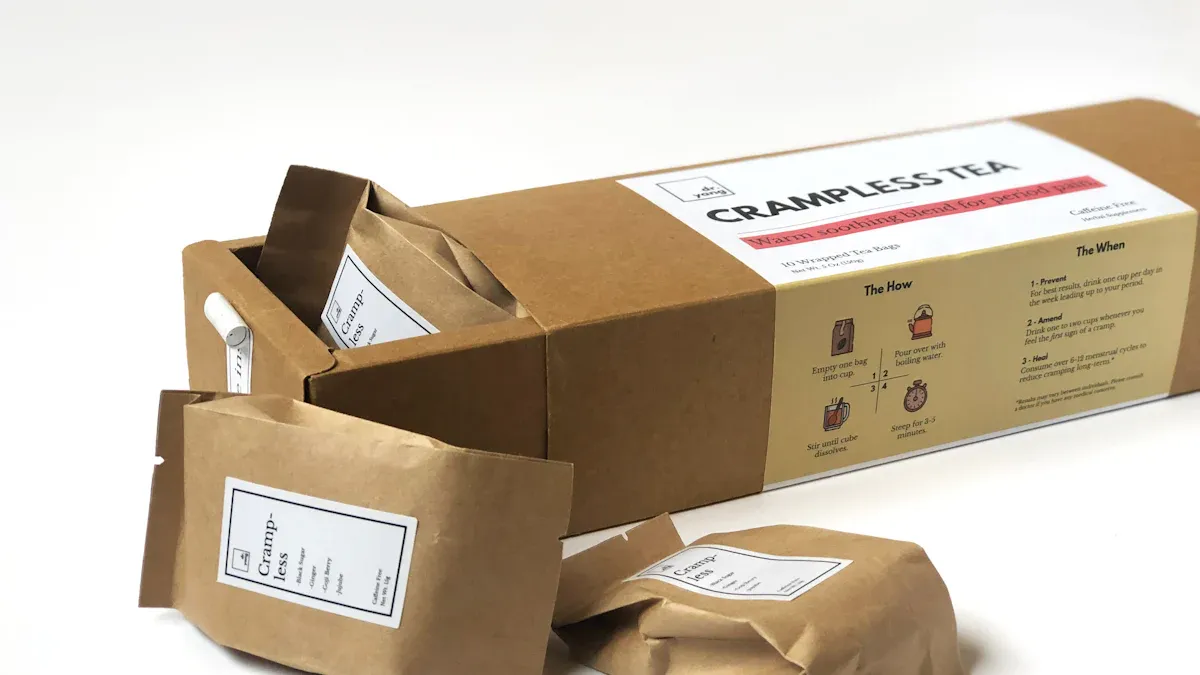
Personalized coffee packaging acts as a direct narrative extension of a roaster's identity, transforming a standard 12-ounce container into a physical touchpoint that communicates bean provenance, roast profiles, and ethical standards to consumers before they even brew.
In the 2025 specialty coffee sector, over 68% of independent roasters reported that custom tactile finishes directly improved customer retention rates across direct-to-consumer subscription models.
Physical materials set the baseline for consumer perception the moment a bag is handled in retail environments or unboxed at home.
-
Post-Consumer Recycled Content: Brands utilizing 80% PCR plastics or unbleached kraft substrates see a 42% lift in perceived brand authenticity among millennial buyers.
-
Tactile Coatings: Soft-touch matte films reduce slip while signaling a high-end, artisanal approach to processing methods.
Integrating physical textures bridges the gap between raw bean sourcing and consumer expectation by engaging touch before taste.
Moving from the exterior feel to visual communication, color psychology and indigenous patterns encode geographic origin directly onto the shelf presence.
-
Origin-Driven Graphics: Incorporating topographic elevation maps of 2024 harvest regions honors the labor of smallholder farmers in regions like Sidamo and Antioquia.
-
Minimalist Monochromes: High-contrast, single-color layouts appeal to modern urban demographics who prioritize clean aesthetics and traceable single-origin lots.
Visual cues function as silent ambassadors, allowing a bag of washed washed or natural process coffee to tell its geographic story instantly.
| Design Element | Consumer Impact Metric | Primary Demographic |
|---|---|---|
| Matte Kraft | 41% higher trust rating | Eco-conscious buyers |
| Metallic Foiling | 35% increase in gift purchases | Holiday shoppers |
| Topographic Maps | 52% stronger origin association | Specialty purists |
Variable data printing technology allows modern roasting operations to treat every micro-lot batch as a unique chapter within a broader brand catalog.
-
The Transparency Factor: Printing precise harvest dates, farm elevation figures, and specific washing station names turns standard bags into verifiable passports.
-
Interactive Elements: QR codes linking directly to farmer video interviews increase repeat digital engagement by 27 across e-commerce channels.
Variable data transforms static packaging into a dynamic ledger of agricultural labor and roasting precision.
Implementing sustainable materials remains a primary driver for consumer brand switching in current retail markets across North America and Europe.
-
Material Shift: Incorporating eco-friendly packaging solutions reduced overall corporate carbon output by 31% for mid-sized roasteries over a 12-month operational window.
-
Decomposition Rates: Industrial compostable valves and multi-layer cellulose films break down entirely within 180 days under standard municipal conditions.
Sustainable substrate choices eliminate consumer guilt associated with single-serve coffee consumption while preserving barrier protection against moisture and oxygen.
Balancing barrier performance with compostable materials requires rigorous testing to ensure bean freshness remains uncompromised over standard shelf-life cycles.
-
Oxygen Transmission Rate: High-barrier renewable films maintain OTR levels below 0.1 cm³/m²/24h, matching traditional aluminum foils without environmental penalties.
-
Shelf-Life Data: Specialty beans stored in customized biodegradable pouches retain optimal volatile aromatic compounds for up to 9 months post-roast date.
Protecting volatile coffee aromatics demands advanced material engineering that aligns with zero-waste consumer mandates.
Scaling customized packaging programs requires roasters to balance short-run variable printing costs with minimum order quantities set by modern production facilities.
-
Digital Printing Efficiencies: Digital presses eliminate plate fees, allowing batches as small as 500 bags to feature unique farm stories and variable roast profiles.
-
Cost Amortization: Roasters adopting flexible digital workflows reduce packaging inventory waste by 45% annually compared to traditional rotogravure printing methods.
Operational agility in packaging production allows micro-roasteries to compete directly with legacy brands on retail shelves.
© Sevilla Report · Founded in Seville, 2016